Hybrid vs. Electric Cars: Navigating the Fuel Efficiency FAQ’s
The shift towards eco-friendly transportation solutions has gained significant momentum in today's rapidly evolving automotive industry. Hybrid and electric vehicles are among the most prominent contenders in this movement.
As a car owner, it is important to properly understand the differences between these two options to help you make informed decisions about your next vehicle purchase. Here at Sound Auto Care in SeaTac, we have a unique perspective: we work with both hybrid and regular vehicles! Though we don’t work on EV’s yet, our team of techs attends training pertaining to all vehicles on the road. And what’s most important to us is your safety on the road.
For that reason, we wanted to write a blog breaking down some of the basics about hybrid and electric vehicles. While the final decision should always come down to your lifestyle and family needs, this basic understanding of hybrid and electric vehicles from our experience as auto mechanics may lay the groundwork. Let's explore the dynamics of hybrid and electric cars, including their respective advantages, limitations, and overall impact on fuel efficiency.
Understanding Hybrid Cars
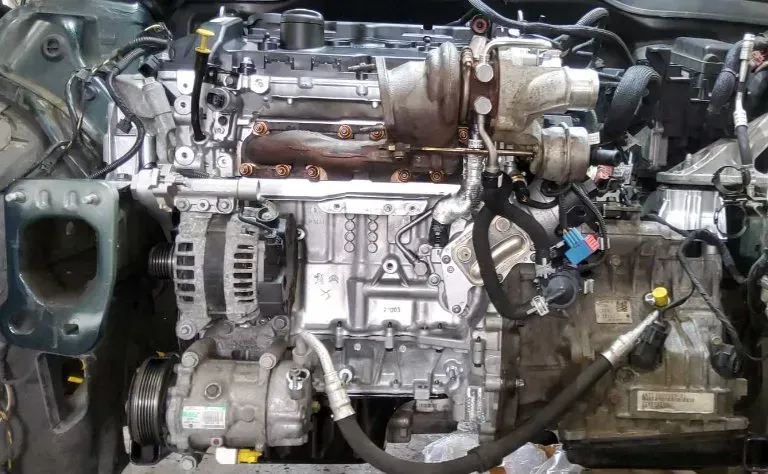
Let's start by demystifying hybrid vehicles. Hybrid cars combine conventional internal combustion engines with an electric propulsion system, offering the best of both worlds. The internal combustion engine powers the car at higher speeds and provides additional acceleration when needed, while the electric motor kicks in during low-speed driving or when extra power is required.
One main pros of hybrid cars is their excellent gas mileage. Switching seamlessly between the gasoline engine and electric motor helps hybrid cars achieve impressive mileage, leading to fewer visits to the gas station and reduced emissions. This efficiency is further amplified in city driving conditions, where the electric motor can operate independently, minimizing fuel consumption and environmental impact.
Exploring Electric Cars
On the other hand, electric vehicles (EVs) rely solely on electricity for propulsion, eliminating the need for gasoline. Instead of traditional fuel tanks, EVs have large batteries that store electrical energy, powering an electric motor to drive the vehicle. This new technology is a significant change from internal combustion engines, making transportation safer and more environmentally friendly.
In addition to having no tailpipe pollution, electric cars are an excellent pick for people who care about the environment. By ditching gasoline entirely, EVs reduce pollution and wage war against climate change to help contribute to a healthier and more sustainable planet. Additionally, electric vehicles boast lower operating costs than their gas-powered counterparts, thanks to fewer moving parts and cheaper electricity rates for charging.
Though we don’t work on Electric Vehicle’s here at Sound Auto Care, we keep our ears to the ground when it comes to how they run, new things in the market, and industry changes. Here in SeaTac, electric vehicles are becoming more popular, and we often have customers ask our opinion on them. Again, we emphasize that no two drivers are alike, and it all depends on your personal preferences and needs.
Comparing Fuel Efficiency
Regarding fuel efficiency, both hybrid and electric cars excel, albeit through different means. Hybrid vehicles leverage advanced technology to optimize fuel consumption, achieving impressive mileage through a combination of gasoline and electric power. On the other hand, electric cars offer unparalleled efficiency by eliminating the need for gas and relying solely on electricity to power their engines.
Making an Informed Decision
Considering the pros and cons of hybrid vs. electric cars, you must consider your driving needs, lifestyle, and budget. If you frequently commute in stop-and-go traffic or have access to charging infrastructure, an electric vehicle might be your ideal choice. On the other hand, if you require the flexibility of a gasoline engine and want to reduce your carbon footprint without sacrificing convenience, a hybrid car could be the perfect compromise.
Analyzing Ownership Costs
When considering buying a hybrid or electric car, it's essential to consider more than just the primary purchase price but also the long-term ownership costs associated with them. While electric vehicles typically have higher upfront costs due to their advanced battery technology, they often prove more cost-effective over time. With lower fuel and maintenance expenses, electric vehicles can offer significant savings compared to traditional gasoline-powered cars.
Hybrid cars, on the other hand, strike a balance between affordability and efficiency. While they may not achieve the same level of savings as electric vehicles, hybrids still offer substantial fuel economy improvements compared to conventional gasoline cars.
Plan A Visit to Sound Auto Care in SeaTac, WA
For your vehicle care needs, we always have your back. At Sound Auto Care in SeaTac, Des Moines, Normandy Park & surrounding areas we're committed to supporting our customers on their journey toward eco-friendly driving. From routine maintenance to specialized repairs, our team has the expertise and resources to keep your hybrid vehicle running smoothly for years. Contact us to learn more about our services and schedule an appointment with our expert specialists.